Garden drainage in Twickenham
If your lawn stays soggy after rain, your flower beds keep turning muddy, or water is pooling around patios and paths, garden drainage in Twickenham may be the solution you need. Homes and commercial outdoor spaces across Twickenham face a mix of clay-heavy soils, compacted ground, mature trees, and occasional heavy rainfall, all of which can lead to poor drainage. A well-planned drainage system helps move excess water away from the garden, protecting plants, patios, sheds, lawns, driveways, and the foundations of nearby structures.
Whether you live in a Victorian terrace near the town centre, a semi-detached home in a quieter residential street, a riverside property close to the Thames, or manage a school, nursery, hospitality venue, or office with outdoor space, effective drainage can make a noticeable difference. It improves usability, reduces maintenance, and helps keep your garden looking cared for all year round. Request a free quote if you are dealing with standing water, persistent damp patches, or run-off problems that return every time it rains.
Local drainage work is rarely one-size-fits-all. The right approach depends on your soil type, existing landscaping, the slope of the land, where water is collecting, and how much access is available for equipment. A local team familiar with Twickenham properties can assess these factors and recommend a practical solution that suits your garden and budget. From French drains to soakaways and channel drains, there are several ways to solve water issues properly.
Why gardens in Twickenham often struggle with drainage
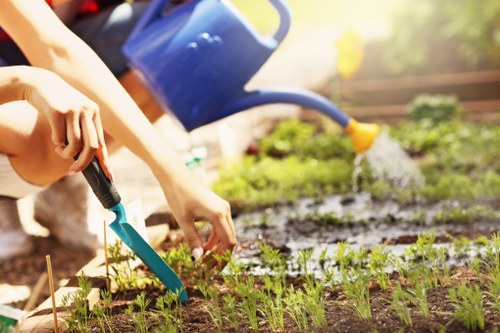
Many gardens in the area are attractive but awkward from a drainage point of view. Twickenham has a mix of older homes, infill developments, and renovated properties, and gardens are often shaped by historic boundaries, outbuildings, narrow side access, and established planting. These features can make it difficult for water to disperse naturally. When rain falls heavily, the water may have nowhere to go, particularly if the ground is already compacted or the garden has been laid with impermeable surfaces.
Clay-rich soil is a common cause of poor drainage in many London and southwest suburban areas. Clay holds water for longer, which can leave lawns soft and waterlogged, especially in shaded sections that dry slowly. In gardens with mature trees, root systems may also affect the way water moves through the soil, while repeated foot traffic can compact the ground even more. If you have noticed moss, puddling, or turf that never fully recovers after rain, the issue may be beneath the surface.
Twickenham also has a range of property types with different outdoor layouts. Some homes have small courtyards, others have long narrow gardens, and some commercial premises have larger paved areas or shared access routes. Each of these requires a slightly different drainage solution. Good garden drainage is not just about removing visible water; it is about creating conditions where water can move safely and predictably away from the problem areas.
Signs you may need garden drainage work
It is not always obvious when a drainage issue has become serious enough to need professional attention. Some gardens simply feel damp for a few days after rain, while others remain unusable for much longer. If you are unsure whether action is needed, look for the most common signs of poor drainage. These indicators often become more obvious in autumn and winter, but they can also appear after a single heavy downpour.
- Standing water that remains after rainfall
- Soft or squelchy lawn areas
- Muddy patches near patios, paths, or gates
- Algae, moss, or persistent dampness in shaded corners
- Plants struggling because roots are sitting in wet soil
- Water running toward the house, shed, or garage
- Flooding around low points in the garden
- Unpleasant smells from stagnant water or trapped organic matter
Some customers notice that the issue is seasonal, appearing only after prolonged rain. Others have a problem that seems to worsen over time as the ground becomes more compacted or previous landscaping changes alter the way water flows. If your garden has started to look tired, patchy, or permanently damp, drainage is often worth investigating before the problem spreads.
Drainage problems can also affect how you use the space. Families may avoid letting children play on the lawn, pet owners may struggle with muddy paws, and businesses with customer-facing outdoor areas may find the appearance and safety of the space affected. If you need your garden to be usable, safe, and tidy, the drainage system should support that goal rather than work against it.
Our approach to garden drainage in Twickenham

A professional drainage service should begin with a proper inspection. No two gardens behave exactly the same way, so the first step is to understand why the water is collecting and where it is going. A local specialist will typically look at soil condition, levels, existing hard landscaping, surface flow, and any signs that old drains or soakaways are no longer performing as they should. In many cases, a combination of methods works best.
Depending on the layout, possible solutions may include French drains, soakaways, drainage channels, land shaping, aeration, or improved surface water routing. For paved terraces and driveways, channel drains can capture water before it reaches trouble spots. For lawns and planting areas, a French drain or land drainage system may be better suited. In some gardens, regrading the surface slightly can encourage water to move naturally away from key areas. The right solution should be practical, durable, and suited to the garden you actually have.
Local experience matters because access and working conditions in Twickenham can vary a lot. Some properties have restricted side access, shared passageways, or limited space for carrying materials. Others may have precious planting, mature trees, or existing paving that needs to be preserved where possible. A careful approach helps reduce disruption and keeps the rest of your garden in better condition during the work.
Drainage solutions that may be suitable for your garden

There are several effective ways to address poor drainage, and the best option depends on the source of the problem. A good contractor will not simply install the same system everywhere. Instead, the solution is matched to the garden’s shape, soil type, and intended use. That way, you get a result that feels integrated rather than added as an afterthought.
French drains
A French drain is a gravel-filled trench with a perforated pipe that helps collect and redirect excess water. This can be particularly useful in lawns, borders, and areas where surface water lingers after rain. It is a popular choice where water needs to be moved away from shallow ground without creating visible disruption.
Soakaways
Soakaways store water temporarily and then allow it to slowly disperse into the ground. They are often used when there is enough space and suitable soil conditions for infiltration. In a Twickenham garden, a soakaway can be helpful where runoff from roofs, patios, or paths needs somewhere to go without overwhelming the rest of the space.
Channel drains and linear drains
These are ideal for patios, driveways, and paved garden routes where water tends to gather on the surface. Installed neatly along the edge or across a fall line, they collect runoff before it becomes a slip hazard or flows toward the property.
Regrading and surface shaping
Sometimes the issue is not the soil alone but the shape of the garden. If water is sitting in a dip, a slight regrade may improve flow. This is often used in combination with other drainage methods, especially where the garden has been levelled poorly in the past or where old landscaping has altered the natural fall.
Additional supportive measures
In some cases, smaller improvements can make a meaningful difference. Soil aeration, replacing heavily compacted ground, improving edging, or adjusting the materials used in paths and beds can support a larger drainage plan. Drainage is often most effective when several smaller fixes work together.
What is included in a garden drainage service

A well-organised drainage job should give you a clear understanding of what is being done and why. Customers often want to know what to expect before they book, especially if the garden is being used regularly or if access is limited. The exact service will depend on the property and the issue, but a typical project may include the following stages.
- Initial assessment of the drainage problem and garden layout
- Checking likely water flow patterns and low points
- Discussing possible solutions suited to the space
- Preparing the area for work with care to surrounding features
- Installing drainage components or reshaping the ground where needed
- Testing the finished system and checking water movement
- Clearing away waste and leaving the site tidy
In some cases, customers also ask for related garden work to be carried out at the same time. That might include restoring disturbed lawn sections, improving border drainage, or adjusting the finish around patios and paths. The aim is not just to solve a wet patch, but to leave the garden functional and neat once the work is complete.
If you are unsure which option is best, it is usually better to arrange an inspection first than to guess. Drainage mistakes can be expensive to correct later, especially if the wrong system is installed or the water is redirected to another problem area. A practical assessment can save time and prevent avoidable disruption.
Why local knowledge matters in Twickenham
Choosing a local company for garden drainage in Twickenham can make a real difference to both the process and the outcome. Local teams are more likely to understand the typical challenges in the area, from compact gardens and older boundary walls to sloping plots and tight access. That familiarity helps when planning the job, estimating materials, and selecting the most appropriate drainage method.
Twickenham includes a broad mix of residential and commercial properties, and each one has its own constraints. A family garden near the town centre may have limited side access and valuable planting to work around. A riverside property may need water management that suits seasonal conditions and the local environment. A business premises with outside seating or a service yard may need a drainage system that supports safety, presentation, and day-to-day use. Local experience helps the work feel tailored instead of generic.
There is also the practical benefit of working with a team that understands local parking, delivery, and access issues. In some streets, materials and equipment need to be moved carefully because space is tight. In others, the presence of mature trees, neighbouring boundaries, or shared driveways means careful scheduling is important. A local drainage specialist is better placed to plan around these realities and keep the job running smoothly.
Common nearby areas and property types
Drainage enquiries often come from a wide local catchment that includes neighbouring parts of southwest London and the surrounding boroughs. The work may be suitable for detached homes, terraced houses, maisonettes, garden flats, schools, hospitality venues, local offices, and community spaces. If your outdoor area is holding too much water, the solution should reflect how the space is actually used.
How the service works
Booking drainage work should feel straightforward. Most customers want a clear process, a sensible recommendation, and minimal disruption. While every job is different, the journey usually follows a simple pattern that keeps things transparent from start to finish.
Step 1: Enquiry and initial details
You explain the symptoms you have noticed, such as standing water, soggy turf, or runoff affecting a patio. Sharing photos or a brief description can help a contractor understand the likely issue before visiting.
Step 2: On-site assessment
The garden is inspected to identify low spots, blocked flow paths, compacted ground, or hard surfaces that are causing the problem. This is where a local expert can often spot details that are easy to miss from inside the house.
Step 3: Recommendation and scope
Once the issue is clear, you will usually be told which solution or combination of solutions is most suitable. If there are different options, the differences should be explained in plain language so you can make an informed choice.
Step 4: Installation or remedial work
Work is carried out carefully, with attention to the existing garden layout and access limitations. Good preparation helps reduce mess and makes the finished result cleaner and longer lasting.
Step 5: Final checks and tidy-up
The drainage is tested where possible, and the work area is tidied. If any sections of lawn, paving, or border need reinstatement, that is handled as part of the finish or discussed clearly beforehand.
This approach suits homeowners who want a neat result, landlords looking after rental properties, and businesses that need a reliable outdoor space with less downtime.
Preparation checklist before drainage work begins
A little preparation can help the job run more smoothly and reduce delays on the day. If you are arranging garden drainage work in Twickenham, the following checklist may be useful. It is not complicated, but it can save time and prevent avoidable obstacles.
- Clear access routes where possible, especially side passages and gates
- Move garden furniture, planters, toys, and ornaments away from work areas
- Identify any buried cables, irrigation systems, or existing drainage runs if known
- Point out delicate plants, newly installed features, or areas to protect
- Make sure parking or loading space is considered before the visit
- Let the contractor know if neighbours share access or boundaries
If your garden is small or access is awkward, do not worry. Many Twickenham properties have restricted working areas, and a local team should be used to planning around that. It is often better to discuss access limitations early so the right tools and materials can be brought along.
You may also want to think about what finish you want once the drainage is in place. Some customers prefer the least visible system possible, while others are happy to sacrifice a small amount of planting or lawn area if it means better long-term performance. Clear priorities help the project stay focused on what matters most to you.
Pricing factors for garden drainage work
While exact prices vary from property to property, it helps to understand the factors that influence cost. A proper quote should reflect the actual conditions on site rather than a rough guess. Because drainage work is shaped by the layout and the scale of the problem, two gardens in the same street may still need very different solutions.
Common pricing factors include the size of the affected area, the type of drainage system required, how much excavation is needed, how easy the garden is to access, and whether any reinstatement is required afterwards. The condition of the soil, the presence of existing hard landscaping, and the need to work around trees or structures can also affect the amount of labour involved.
Commercial sites may have additional considerations such as surface area, opening hours, safety requirements, and the need to limit disruption. Residential customers may be more focused on preserving lawn, planting, or patio finishes. In both cases, the quote should be explained clearly so you know what is included. Request a free quote if you want a solution matched to your garden rather than a one-size-fits-all approach.
Things that can affect the final scope
- Depth and extent of waterlogging
- Whether the problem affects a lawn, border, or paved area
- Ground conditions and the amount of excavation required
- Access for tools, machinery, and materials
- Whether waste removal is needed
- Any finishing or reinstatement work after installation
Benefits of improving drainage in your garden
Drainage improvements are often associated with solving a nuisance, but the benefits go further than removing puddles. When water is managed properly, the whole garden tends to become easier to care for and more enjoyable to use. That matters just as much for small domestic spaces as it does for larger or shared grounds.
One major benefit is better usability. A lawn that drains well is more suitable for children, pets, gatherings, and everyday enjoyment. Pathways and patios are less slippery, and borders are less likely to be washed out. You may also find that planting performs better because roots are not sitting in saturated soil for long periods. In practical terms, good drainage protects your investment in the garden.
Another benefit is reduced wear and tear. Standing water can damage turf, loosen paving, encourage moss growth, and put pressure on walls or adjacent structures. By addressing the underlying issue, you can help prevent repeat repairs and improve the long-term condition of the outdoor space. For business premises, better drainage can also support a tidier, more presentable appearance for staff and visitors.
Many customers find that once the drainage issue is sorted, the garden becomes much easier to maintain. Less mud means less cleaning, fewer slippery patches, and less stress every time the weather turns wet. That is often the point where the work feels worthwhile beyond the original repair.
Who we help
Garden drainage services in Twickenham are useful for a wide range of customers. The work is not only for homeowners with obvious flooding problems. It can also help people who are planning landscaping changes, managing rented properties, or looking after commercial outdoor areas that need to stay functional through wet weather.
- Homeowners dealing with soggy lawns, damp borders, or water around patios
- Landlords wanting to improve the condition and usability of rental gardens
- Property managers responsible for shared outdoor spaces or access routes
- Businesses that need safer, tidier exterior areas
- Schools and nurseries where outdoor surfaces need to remain usable
- Hospitality venues with gardens, courtyards, or outdoor seating spaces
If you have a property in Twickenham or the surrounding area and the garden no longer behaves as it should after rain, it is worth speaking to a local drainage specialist. Contact us today to discuss the issue and arrange a practical solution that fits the space.
Areas covered around Twickenham
Local drainage work is often requested not only in central Twickenham but also across nearby neighbourhoods and surrounding parts of southwest London. Because gardens and plots vary so much, it helps to have a team that can travel to different property types and understand the local setup.
Areas commonly associated with this kind of work include nearby residential roads, riverside locations, conservation-style streets, and mixed-use neighbourhoods where outdoor drainage needs can differ widely. The important point is not the exact postcode, but having a team that understands how local conditions affect drainage performance.
If your garden sits near mature trees, borders a shared alley, includes paved entertaining areas, or slopes toward a property boundary, it may benefit from a tailored drainage assessment. Twickenham gardens often need a solution that balances appearance, access, and practical water management.
Frequently asked questions
[IMG_?]Note: The article should use five image placeholders only, so no extra placeholder is inserted here.
How do I know if my garden needs drainage or just lawn repair?
If the lawn is only thin or patchy in one area, that may be a turf issue. But if the ground stays wet for long periods, water pools after rain, or the same area becomes muddy again and again, drainage is likely part of the problem. A proper assessment can tell the difference.
Can drainage be installed without ruining the garden?
In many cases, yes. A careful installer will aim to minimise disruption and protect the parts of the garden that are already in good condition. Some excavation is usually required, but the work can often be planned to avoid unnecessary disturbance.
Will drainage solve all flooding problems?
Not always on its own. If the problem involves roof runoff, badly directed surface water, or a combination of slope and soil compaction, the solution may need more than one measure. The aim is to design a system that addresses the real cause rather than just the visible symptom.
How long does it take?
That depends on the size of the garden, the amount of excavation, and the type of drainage being installed. Some smaller jobs can be completed relatively quickly, while larger or more complex installations take longer. A site visit is the best way to estimate timing.
Do I need drainage if the garden only gets wet in winter?
Seasonal waterlogging is still a problem if it affects the use of the space, weakens the lawn, or causes mud and standing water for weeks at a time. Many gardens in Twickenham need seasonal improvements rather than major reconstruction.
Book your garden drainage service
If you are dealing with a waterlogged lawn, a patio that floods, or a garden that never seems to dry out properly, now is a good time to act. The sooner drainage issues are addressed, the less likely they are to cause ongoing damage or turn into more expensive repairs. A local specialist can inspect the site, identify the cause, and recommend the most practical way forward.
Garden drainage in Twickenham should be handled with care, local knowledge, and a solution that suits your property type. Whether you need a simple improvement or a more involved drainage installation, the goal is the same: a garden that works better in wet weather and feels easier to maintain all year round. Book your service now or contact us today to request a free quote and take the first step toward a drier, more usable outdoor space.